
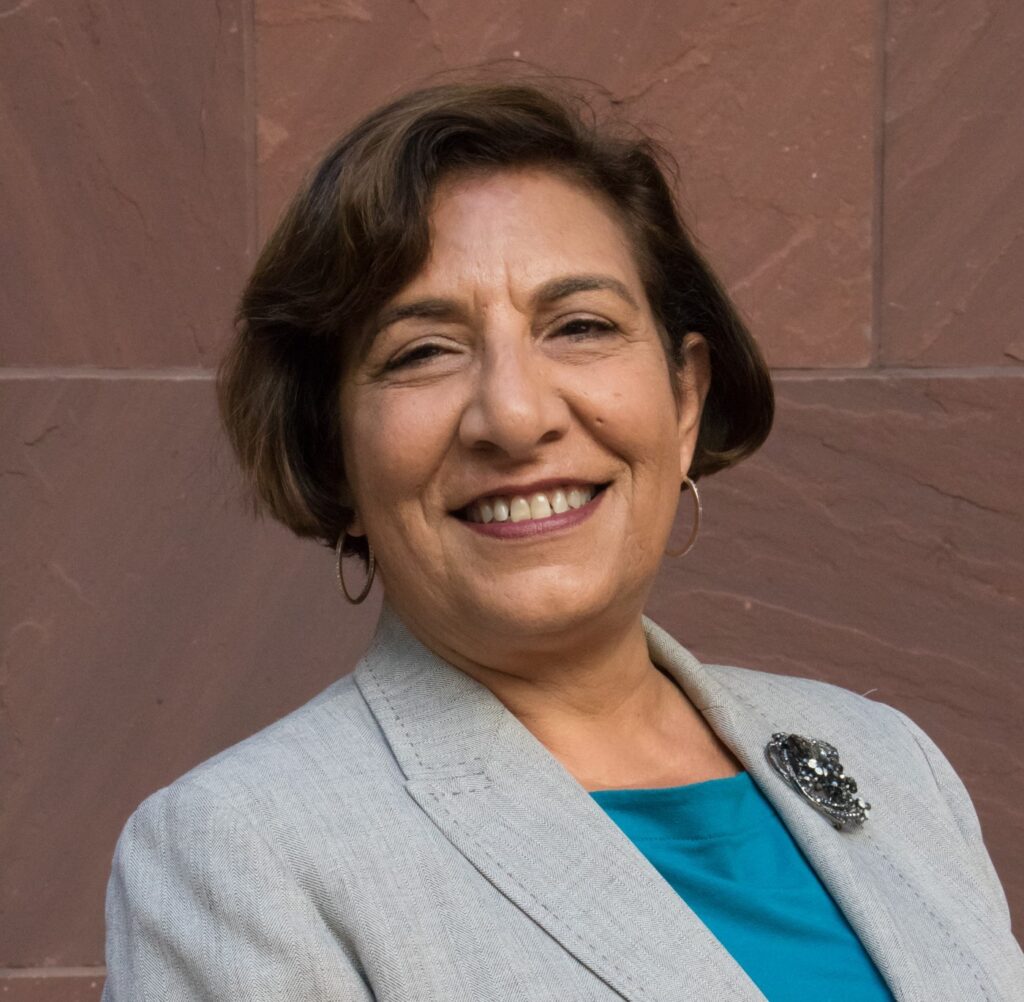
New insights from study of people age 90 and above
Dr. Claudia Kawas Over the next 30 years, the number of Americans age 90 and above is expected to triple,
Dr. Claudia Kawas Over the next 30 years, the number of Americans age 90 and above is expected to triple,
Ph.D. student Angeline Dukes Ph.D. student Morgan Coburn Congratulations to Angeline Duke and Morgan Coburn for winning the 2021 Most
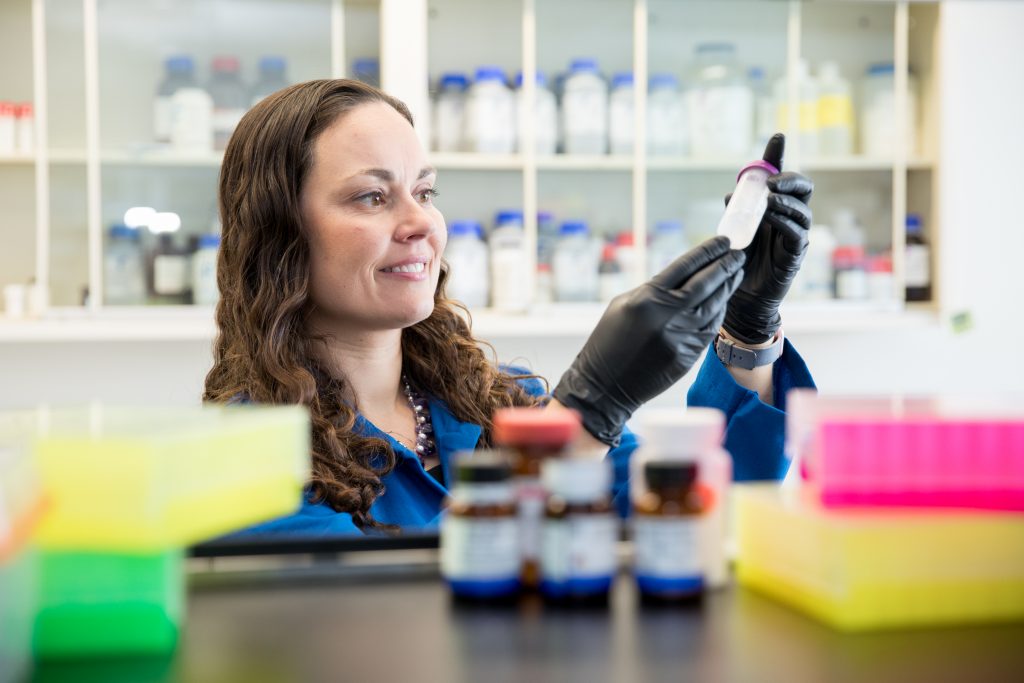
Associate Professor Christie Fowler discusses potential biases in experimentation and data interpretation in a new podcast from the Society for

Ph.D. student Angeline Dukes’ drive to bring equity to her field is gaining wide attention “Sooooo, when are we doing

Chancellor’s Professor Thomas Lane, Neurobiology & Behavior, has been named a fellow of the American Association for the Advancement of
According to a new study published in the Journal Neuropsychopharmacology, the main psychotropic component of cannabis, Δ9-tetrahydrocannabinol (THC), is differentially processed
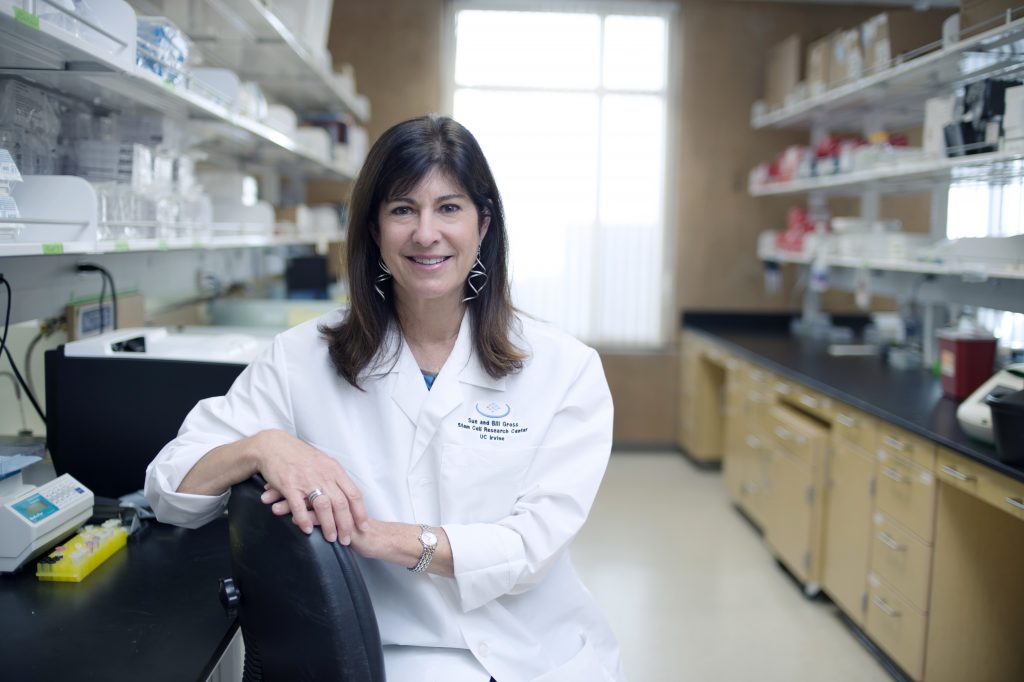
Professor Leslie M. Thompson, Neurobiology & Behavior and Psychiatry & Human Behavior, has been awarded the title of Donald Bren Professor.

University of California, Irvine biologists blazing new approaches to studying Alzheimer’s disease have made a major finding on combating inflammation linked to the disease. The Charlie Dunlop School of Biological Sciences researchers’ discovery about the role of a protein called TOM-1 heralds a shift toward examining the molecular underpinnings of Alzheimer’s processes.
University of California, Irvine researchers have made it possible to learn how key human brain cells respond to Alzheimer’s, vaulting a major obstacle in the quest to understand and one day vanquish it. By developing a way for human brain immune cells known as microglia to grow and function in mice, scientists now have an unprecedented view of crucial mechanisms contributing to the disease.
The California Institute for Regenerative Medicine (CIRM) has awarded $6 million to Neurobiology and Behavior & Psychiatry and Human Behavior